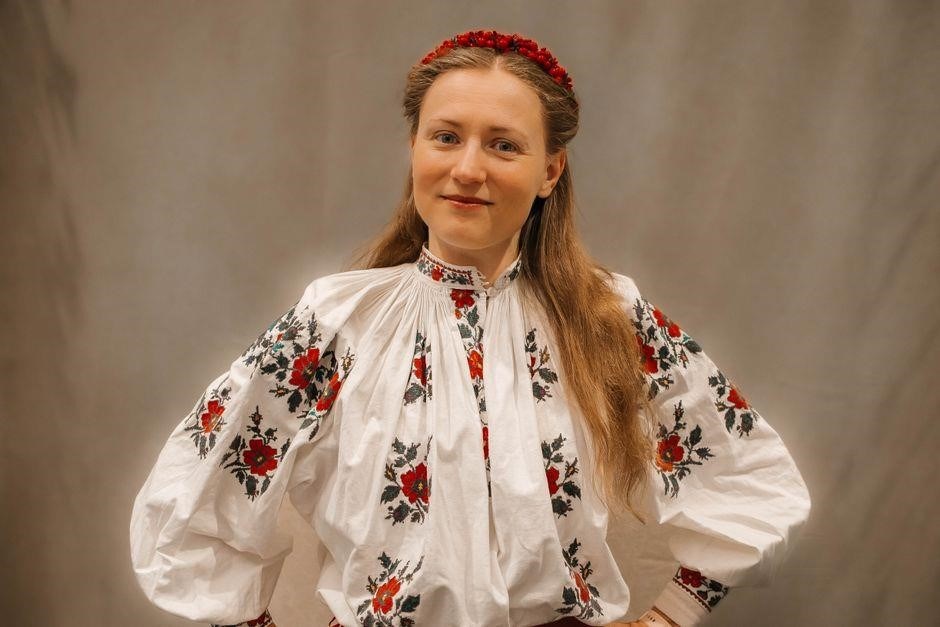
What Are Floral Embroidery Patterns?
Floral embroidery patterns pdf free provide ready‑made designs that can be downloaded and stitched. Learning how to embroider is easy, and best of all, it’s possible to make a huge variety of artwork with even the simplest stitches. Creating a design to embroider can be more difficult than expected, but free PDFs simplify the process. Enjoy stitchi!
Definition and Historical Context
Floral embroidery patterns pdf free are digital templates that outline stitch placement, color choices, and design layout for needlework enthusiasts. Historically, floral motifs have adorned garments, linens, and ceremonial objects across cultures, from the intricate arabesques of the Middle East to the delicate roses of Renaissance Europe. The advent of the printing press and later the typewriter allowed pattern designers to disseminate designs more widely, eventually leading to the modern era of downloadable PDFs. Today, enthusiasts can access thousands of free floral patterns online, enabling rapid experimentation and skill development. By providing clear stitch instructions, these PDFs serve as both educational tools and creative inspiration, bridging centuries of embroidery tradition with contemporary digital convenience. These free PDFs often include detailed stitch charts, color palettes, and step‑by‑step guidance, allowing beginners to master complex motifs without costly kits. Moreover, many creators share patterns under Creative Commons licenses, ensuring that users can adapt and remix designs while respecting intellectual property rights. The accessibility of these PDFs also supports educational programs, allowing schools and community centers to incorporate embroidery into curricula without prohibitive costs. Finally, the community around free floral embroidery PDFs is vibrant, with forums, tutorials, and user‑generated content fostering continuous learning and collaboration. By downloading these free resources, hobbyists can quickly prototype new projects, experiment with color theory, and share their finished pieces on social media platforms, inspiring others worldwide. Continue creating!
Benefits of Using Free PDF Patterns
Free PDF patterns give instant access to diverse floral designs, cutting kit costs. They include clear stitch charts, color guides, and step‑by‑step instructions, speeding skill growth. Users can experiment, save money, and share projects worldwide, fostering a vibrant, collaborative community. Download them and start stitching garden of memories.
Cost Savings and Accessibility
Free PDF floral embroidery patterns eliminate the need for expensive pattern books or subscription services; By downloading thousands of designs at zero cost, hobbyists can experiment with new motifs without financial risk. This accessibility also encourages beginners to try complex stitches, as the clear, step‑by‑step charts reduce the learning curve. Moreover, free PDFs are often updated with seasonal themes, ensuring that users always have fresh material without paying for new editions. The digital format allows instant sharing among communities, fostering collaboration and creative exchange. Accessibility extends beyond cost: patterns are available worldwide, breaking geographic barriers. Users can print or view on tablets, making the craft portable. The open‑source nature of many free PDFs also means that designers can modify or remix patterns, tailoring them to personal color palettes or stitch preferences. This flexibility supports sustainable practices, as users can reuse and adapt existing designs, rather than purchasing new ones. In short, free PDF floral embroidery patterns democratize the craft, making it affordable, inclusive, and endlessly adaptable.
Beyond cost, free PDFs empower creative freedom. Artists can remix motifs, swap colors, and adapt stitch density to suit fabric weight. The open‑source ethos encourages collaboration, with users sharing variations, corrections, and tutorials online. This dynamic ecosystem accelerates skill growth, as beginners learn from seasoned stitchers’ insights. Moreover, the digital format reduces waste, eliminating the need for physical pattern books that often end up discarded. Together, these resources create community where every, daily stitch matters!!
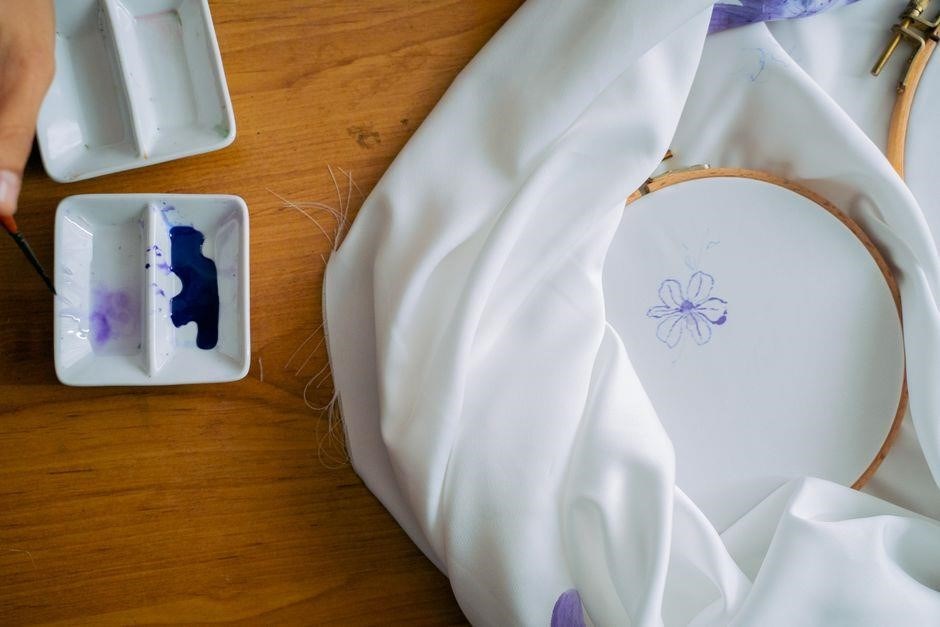
How to Find Reliable Free PDF Sources
Use search engines with keywords like “free floral embroidery PDF” and filter results to reputable craft sites. Check user reviews, download counts, and update dates. Trusted platforms include embroidery forums, craft blogs, and community libraries that offer vetted, high‑resolution PDFs for free. Seasonal updates keep designs fresh for all projects.
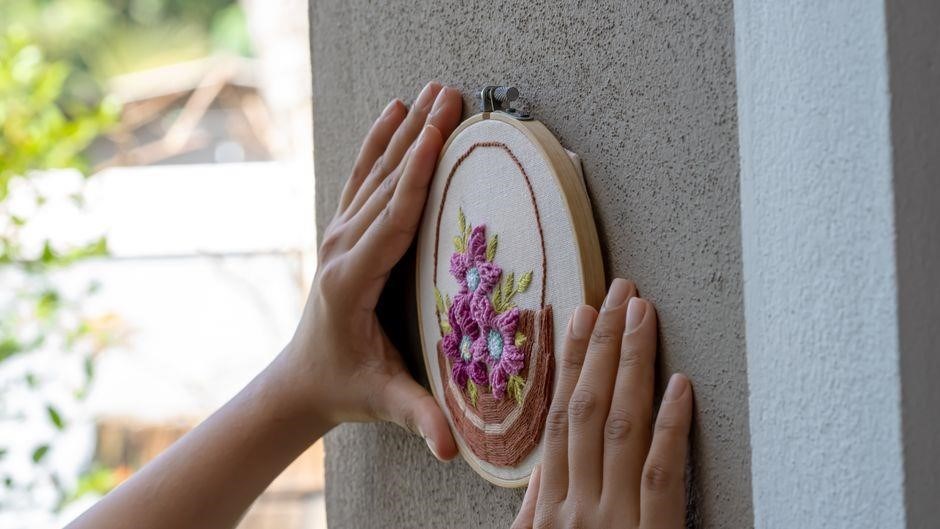
Search Techniques and Trusted Platforms
Searching for free floral embroidery PDFs requires a strategic approach. Begin by using advanced search operators on Google: type “free floral embroidery PDF” followed by site:edu or site:org to locate academic or nonprofit repositories. Add “filetype:pdf” to ensure only PDF files appear. This filters out images and other formats. Next, explore niche craft communities such as Ravelry, Embroidery Library, and the Crafty Stitcher forums. These platforms host user‑generated patterns and often include free downloads after a brief registration. Look for forums that maintain a dedicated “free patterns” thread; members frequently share updated PDFs. Another reliable source is the public domain section of the Library of Congress or the National Archives, where historical embroidery designs are digitized and freely accessible. For contemporary designs, check the websites of well‑known embroidery designers who offer a “free pattern” section as a promotional tool. Always verify the file’s integrity by opening it in a PDF viewer before downloading; corrupted files can waste time. Finally, join a local or online embroidery club; members often exchange pattern files via email or a shared drive, providing a peer‑reviewed source of high‑quality PDFs. By combining search operators, community forums, public archives, and designer portals, you can efficiently locate trustworthy, high‑resolution floral embroidery patterns that are truly free of charge. When you encounter a pattern that appears promising, check the PDF metadata for author attribution and licensing terms. Many free patterns are released under Creative Commons Zero (CC0) or public domain, meaning you can use them for personal or commercial projects without attribution. However, some designers offer a “donation” link; supporting them encourages the creation of more free patterns. Additionally, keep an eye on seasonal releases—holiday-themed floral designs often drop in November and December, providing fresh material for year‑round projects. Enjoy exploring these resources today.
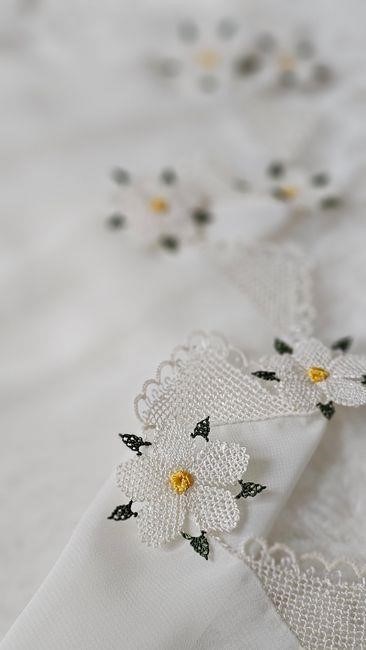
Top Websites Offering Free Floral Embroidery PDFs
Discover top sites for free floral embroidery PDFs: Ravelry hosts community‑shared patterns; Embroidery Library offers downloadable files; Crafty Stitcher provides free downloads after registration; the Library of Congress hosts public domain designs. These trusted platforms deliver high‑resolution, ready‑to‑use patterns for all skill levels. See!
Featured Sites and Their Highlights
Below are popular online resources for free PDF floral embroidery patterns. Each site offers distinct features, from user‑generated collections to curated classic designs, helping you choose the best fit for your style and skill level.
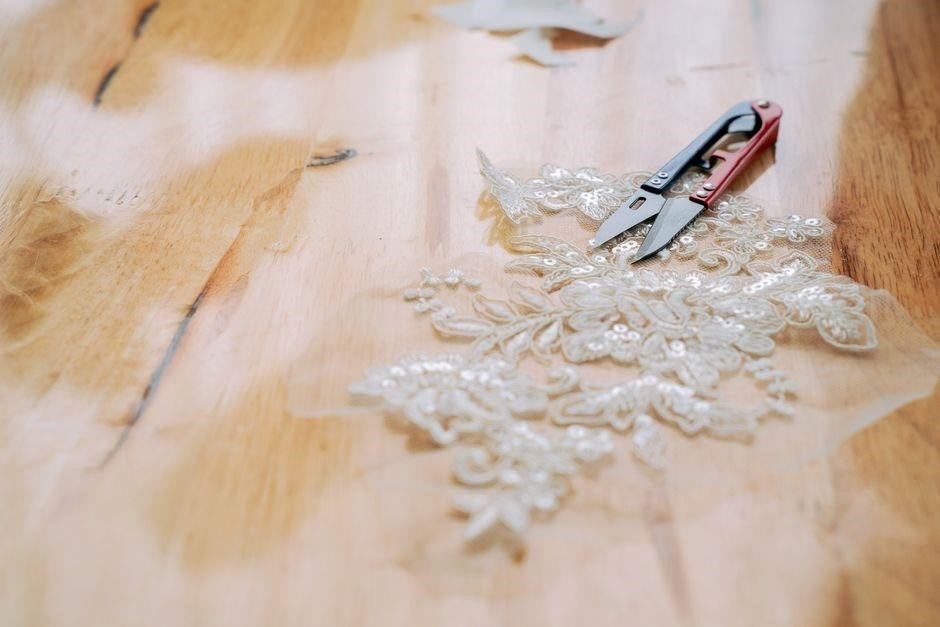
- Ravelry – A community hub where members upload and share thousands of floral patterns. The search filters allow you to sort by stitch type, difficulty, and even color palette. Free access requires a quick registration, but the downloadable PDFs are available for all registered users.
- Embroidery Library – A repository that focuses on high‑resolution, ready‑to‑use PDFs. The site’s interface is simple, with a dedicated “Free Patterns” section that updates regularly. Many designs are labeled with stitch instructions and recommended thread counts.
- Crafty Stitcher – Offers a mix of free and premium patterns. The free section includes seasonal bouquets, vintage roses, and modern abstract florals. Users can download PDFs directly after creating a free account, and the site provides a helpful FAQ for beginners.
- Library of Congress – Houses a public‑domain collection of historic embroidery designs. The PDFs are often large and detailed, perfect for those who enjoy a challenge. The site’s search tool allows you to narrow results by era or artist.
- FreeEmbroideryPatterns.com – A niche site dedicated exclusively to free downloads. The library is categorized by flower type, stitch style, and difficulty level. Each pattern includes a PDF, a stitch count, and a short tutorial video.
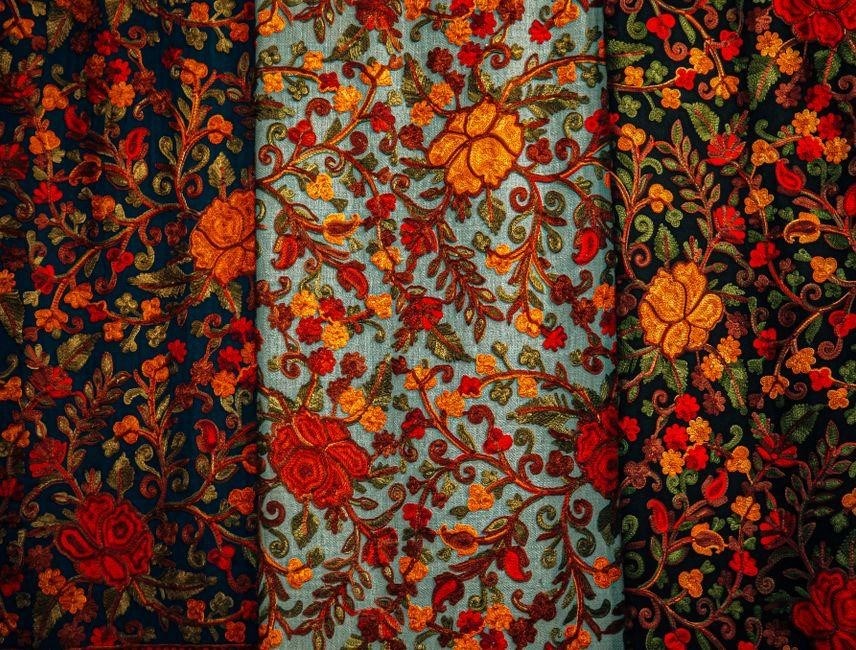
Explore these platforms to build a versatile floral embroidery portfolio for free. Seasonal collections keep you inspired year‑round. Enjoy

Common Floral Design Styles in PDFs
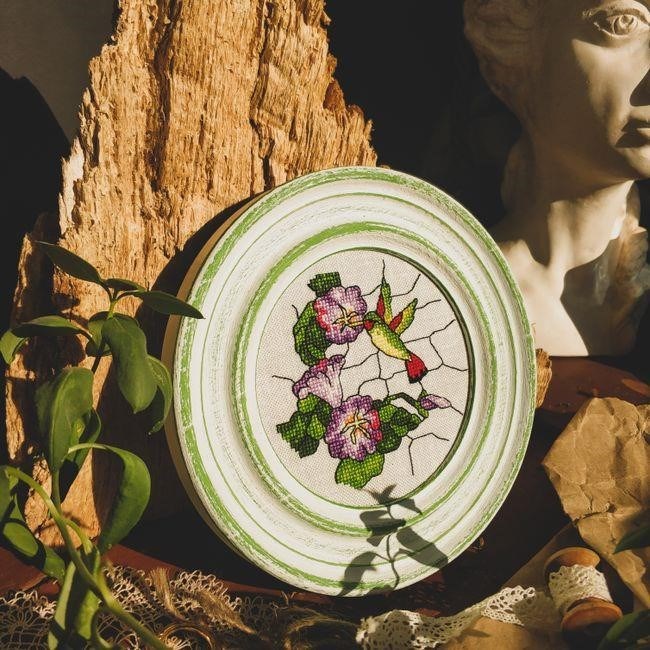
Classic bouquets, minimalist linework, abstract blossoms, vintage roses, and tropical vines dominate free PDF collections. Each style offers unique stitch guides—satin for smooth petals, chain for texture, and French for depth—making them versatile for beginners and pros alike. Enjoy stitching and try.
From Classic Bouquets to Modern Abstracts
Free PDF patterns offer a spectrum of floral styles, from traditional bouquets that echo 19th‑century embroidery to bold, abstract compositions that push contemporary boundaries. Classic arrangements often feature roses, lilies, and peonies rendered in detailed satin stitches, allowing beginners to practice smooth, even fills while mastering color transitions. Minimalist linework, on the other hand, uses delicate chain stitches to outline petals and leaves, creating a subtle, airy effect that is both modern and accessible. Abstract blossoms break conventional shapes, employing a mix of French knots, satin, and cross‑stitch to form geometric petals or splashes of color that can be adapted to any fabric. Vintage roses, with their intricate petal layers, demand a combination of satin for the base and French knots for the highlights, teaching stitchers how to build depth and texture. Tropical vines and hibiscus designs introduce a playful, flowing style, often using a blend of satin for the main body and chain stitches for the delicate tendrils, encouraging creative color blocking. Each style is accompanied by a step‑by‑step guide, complete with stitch count tables and color charts, making the learning curve gentle even for newcomers. By exploring these diverse styles, hobbyists can develop a versatile skill set, experiment with new techniques, and create unique pieces that reflect both classic charm and modern flair.
When searching for free PDFs, many stitchers turn to community forums, craft blogs, and dedicated embroidery sites that host thousands of downloadable files. These resources often provide not only the pattern but also video tutorials, stitch‑by‑stitch guides, and forums for troubleshooting. By leveraging these tools, stitchers can quickly adapt classic motifs to modern aesthetics, experimenting with color palettes, thread types, and stitch density. The flexibility of PDF format means patterns can be printed at various scales, allowing users to create anything from a small cuff to a large wall hanging. Additionally, the open‑source nature of many free PDFs encourages collaboration; designers can remix existing patterns, share their own variations, and contribute to a growing library that benefits the entire embroidery community. These patterns often include color charts that match popular thread brands, ensuring accurate hue reproduction. Users can also find optional stitch variations that add texture, such as a subtle puff stitch for petal edges. The community forums frequently feature user‑submitted variations, allowing stitchers to adapt patterns to personal style. Because PDFs are vector‑based, they can be resized without losing clarity, making them ideal for projects ranging from a small lapel to a large canvas.

Stitching Techniques for Floral Patterns
Free PDF floral designs call for satin for petals, French knots for highlights, and chain stitches for stems. Use cross‑stitch to add texture. Mix thread weights to create depth. Practice stitch count tables for precision. Add a satin border for a finished look. Try different thread colors for depth.
Key Stitches: Satin, French, and Chain
When working with free floral embroidery PDFs, mastering a few essential stitches can transform a simple design into a polished masterpiece. The satin stitch, known for its smooth, flat appearance, is ideal for filling petals and creating a velvety texture. To execute a satin stitch, place the needle at the beginning of a line, pull the thread through, and then bring the needle back to the start, repeating this motion for each row. The result is a dense, uniform surface that holds color beautifully.
The French knot adds a subtle, raised accent that mimics the delicate detail of a flower’s center or a tiny seed pod. To make a French knot, loop the thread around the needle, pull the thread through, and then pull the thread toward the fabric. This technique works well for small, intricate highlights that need to stand out against a satin background.
Chain stitches provide a flexible, textured line that can outline stems, leaves, or the edges of petals. By pulling the thread through successive loops, you create a chain that can be adjusted in length and thickness by varying the stitch size; Chain stitches are especially useful for adding depth to a design, as they can be layered over satin or French knots to give a three‑dimensional effect.
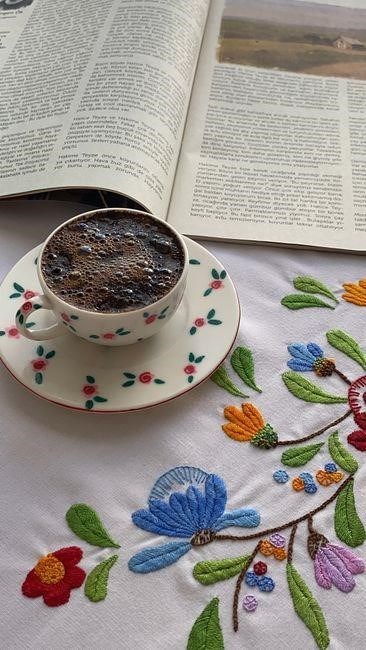
Combining these stitches—satin for broad areas, French knots for focal points, and chain stitches for outlines—allows you to interpret free PDF patterns with confidence. Experiment with thread colors, stitch density, and layering to discover how each stitch contributes to the overall visual impact of your floral embroidery.
With these stitches, free floral PDF patterns become projects that let beginners experiment professionals refine their craft, saving time and resources!


Leave a Reply
You must be logged in to post a comment.